
Pool Permits in North Georgia: 7 Mistakes You're Making (and How to Fix Them)
Contact Us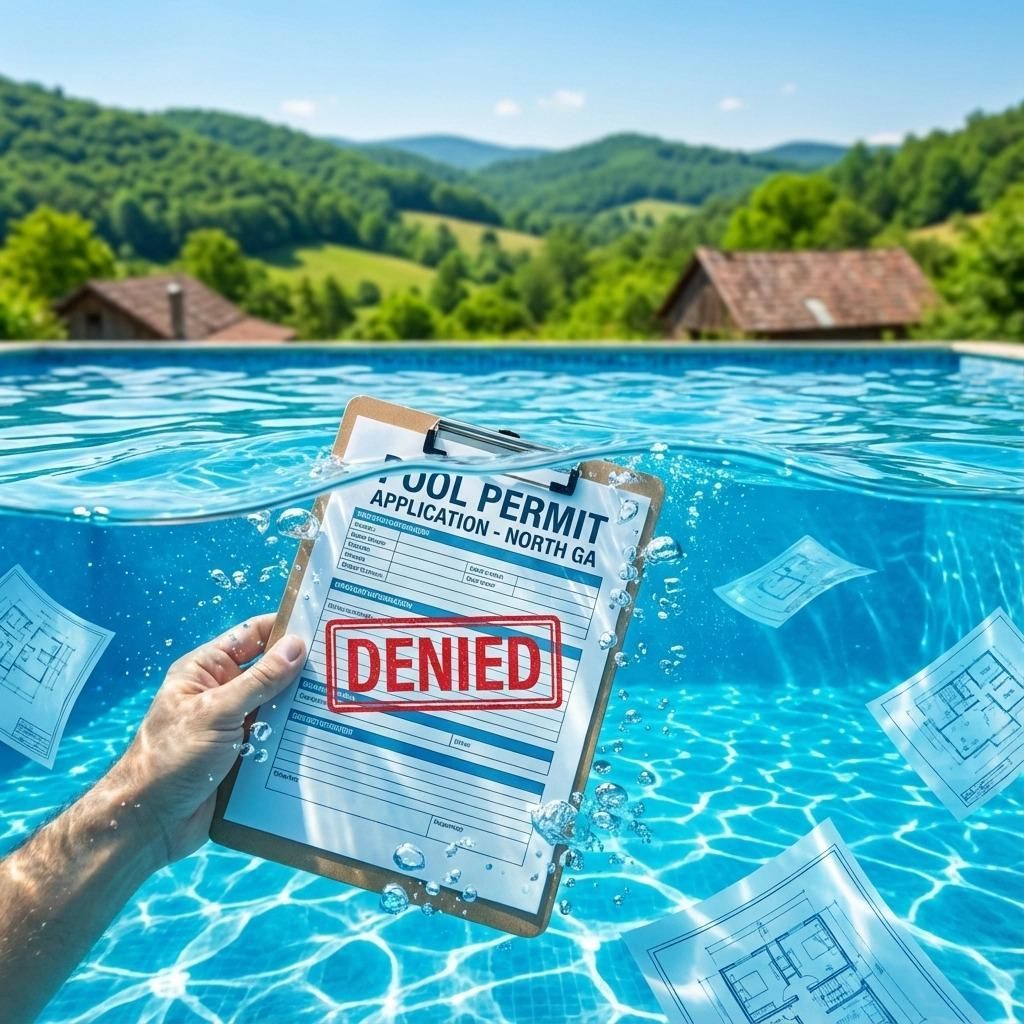
You've been dreaming of that perfect backyard pool for years. The hot Georgia summers are calling, and you're finally ready to make the plunge. But before you break ground, you need to navigate North Georgia's pool permit process: and trust us, it's more complex than you think.
We've seen countless homeowners in Canton, Alpharetta, and throughout North Georgia make costly mistakes during the permit process. These errors don't just delay your summer plans; they can add thousands to your project cost and create months of frustration.
At Off The Deep End, we've guided hundreds of families through successful pool installations. Here are the seven most common permit mistakes we see: and exactly how to avoid them.
Mistake #1: Skipping Septic System Approval
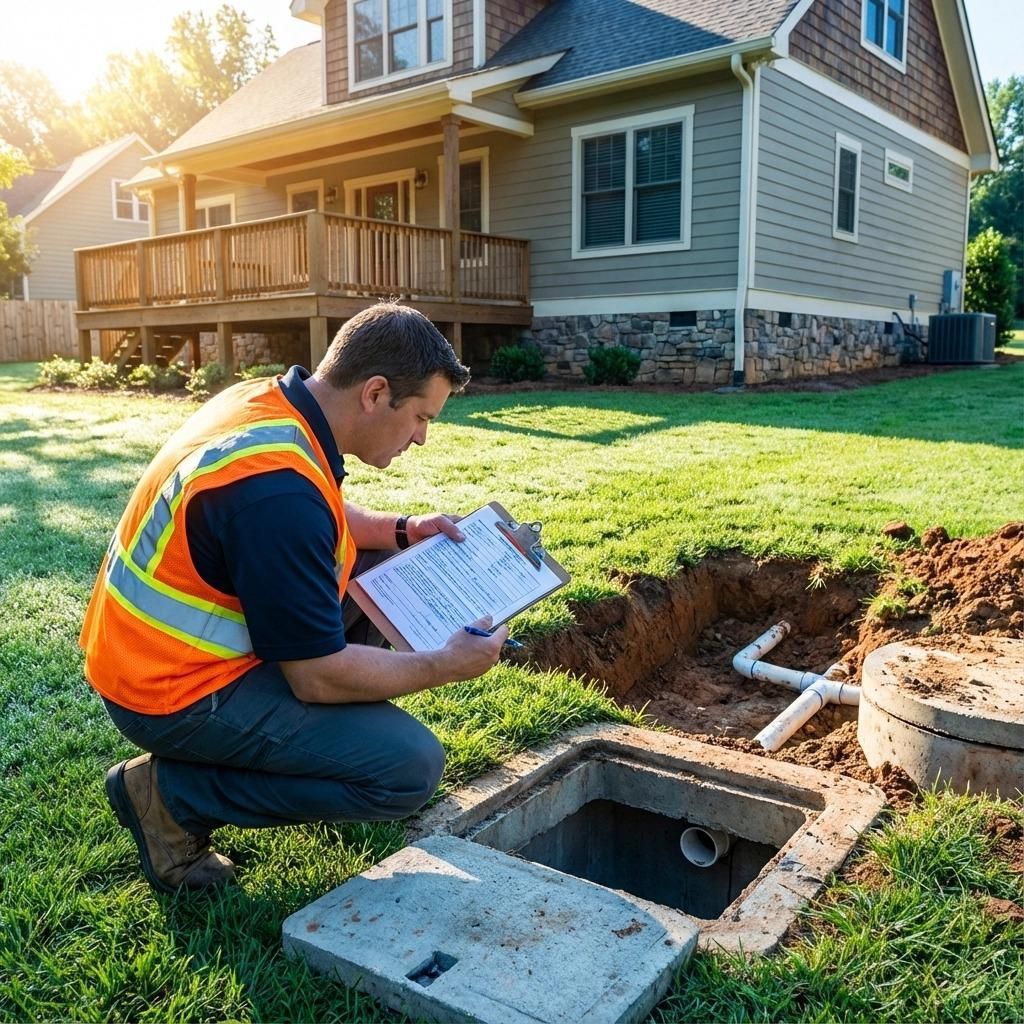
Here's where most homeowners trip up right out of the gate. If your home uses a private septic system (common in many North Georgia neighborhoods), you absolutely must get environmental health approval before submitting your pool permit application.
Why This Matters: Your pool's location could interfere with your septic tank and drain field. In stalling a pool in the wrong spot can damage your septic system, creating expensive repairs and potential health hazards.
How to Fix It: Contact Gwinnett Environmental Health at 770-963-5132 before anything else. They'll assess your property and provide written approval for your proposed pool location. Attach this ap proval to your Building Permit Application: without it, your application gets rejected immediately.
Pro Tip: Schedule this approval early in your planning process. Environmental health reviews can take several weeks, especially during peak pool season.
Mistake #2: Submitting Incomplete or Unapproved Site Plans
You're eager to get started, so you sketch out a quick site plan and submit it with your permit application. Big mistake. Your Swimming Pool Location Plan must receive approval from the Community Development Department before you submit your Building Permit Application.
The Problem: Rushing this step means your entire application gets bounced back, resetting your timeline to square one.
How to Fix It: Submit your site plan to the Development Review Section first. Your plan needs to include:
- Property lines and building setbacks
- The required 5-foot accessory structure setback from side and rear property lines
- Complete fencing specifications
- Septic tank and drain field locations (if applicable)
- Dimensions of all existing and proposed structures
- Water, sewer, and drainage easements
Once Community Development approves your site plan, then you can move forward with your permit application
Mistake #3: Missing or Incorrect Fencing and Gate Details
Picture this: your pool is installed, the concrete is cured, and you're ready for that first swim. Then the inspector arrives and tells you your gate doesn't meet code. Now you're facing a complete fence re placement before you can use your pool.
The Safety Requirements: All access gates must be self-closing and self-latching with a locking de vice. The gate latch must be positioned at least 54 inches from the bottom of the gate.
How to Fix It: Include detailed fencing specifications in your initial site plan. Show the height, type, and exact location of all pool fencing. Don't treat this as an afterthought: proper fencing details pre vent costly corrections during construction.
Remember: Pool safety isn't just about compliance; it's about protecting your family and neighbors.
Mistake #4: Neglecting Easement and Floodplain Requirements
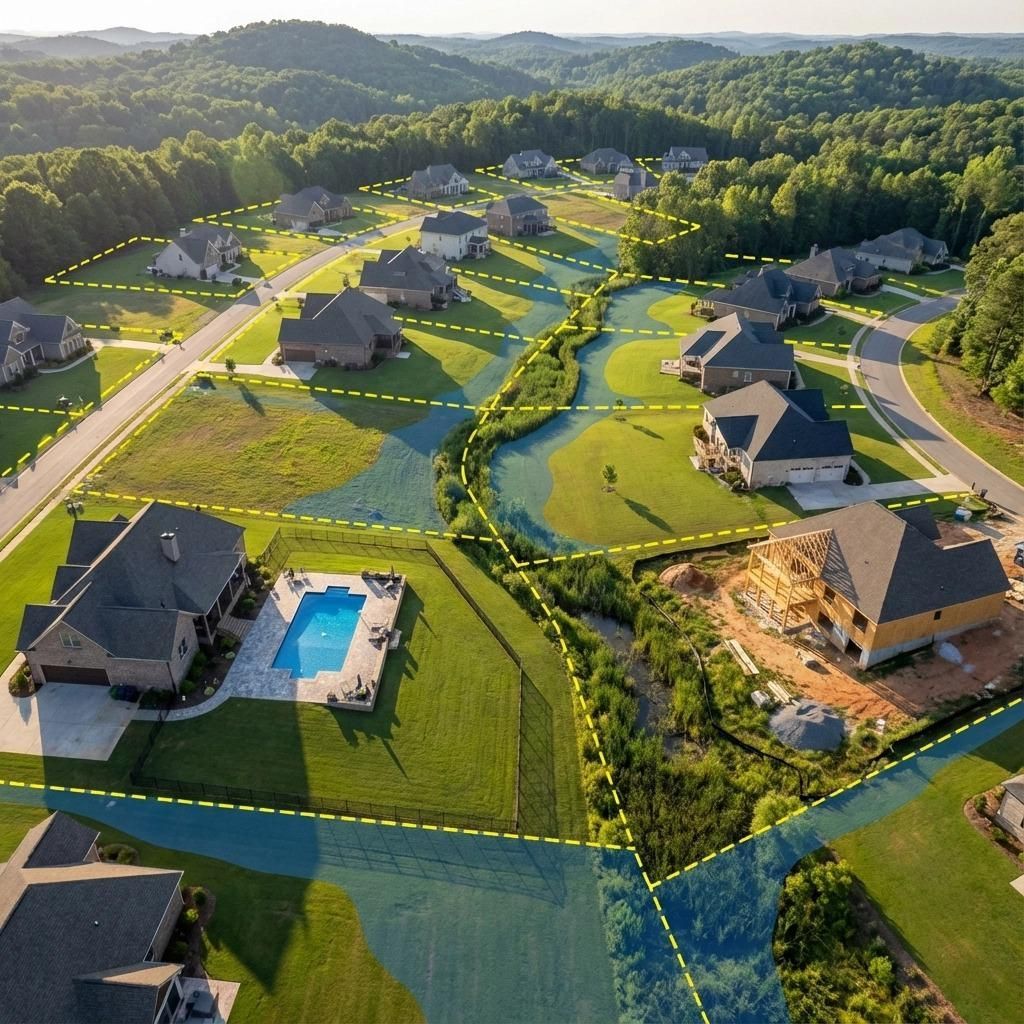
Nothing's worse than discovering your pool encroaches on a drainage easement after construction begins. We've seen homeowners forced to relocate entire pools because they didn't check easement restrictions upfront.
The Hidden Dangers: Your property might have water, sewer, or drainage easements that restrict where you can build. Additionally, floodplain limitations and stream buffers can impact your pool placement.
How to Fix It: Before selecting your pool location, review your property deed for all easements. Con tact your local planning department to obtain floodplain maps and identify any special building set back requirements.
Your site plan must clearly show all easements, 100-year floodplain limits, and applicable stream buffers. This prevents discovering problems mid-construction when changes become exponentially more expensive.
Mistake #5: Failing to Provide Subcontractor Documentation
Your permit application is complete, your site plan is approved, and you're ready to submit every thing. Then you discover you're missing subcontractor affidavits and business licenses. Back to the drawing board.
Who Counts as a Subcontractor: Any professional handling electrical, mechanical, or plumbing work needs proper documentation. This includes pool equipment installation, lighting, and heating systems.
How to Fix It: Submit a Subcontractor Affidavit with current business and professional licenses for all subcontractors. State-licensed electrical and mechanical subcontractors must provide these forms.
If you're planning to do some work yourself, submit a Homeowner Affidavit instead. Also include a copy of your pool contractor's business license.
Our Advantage: At Off The Deep End, we handle all subcontractor documentation as part of our comprehensive service package. You don't have to chase down paperwork from multiple vendors.
Mistake #6: Submitting Inadequate Building Plans
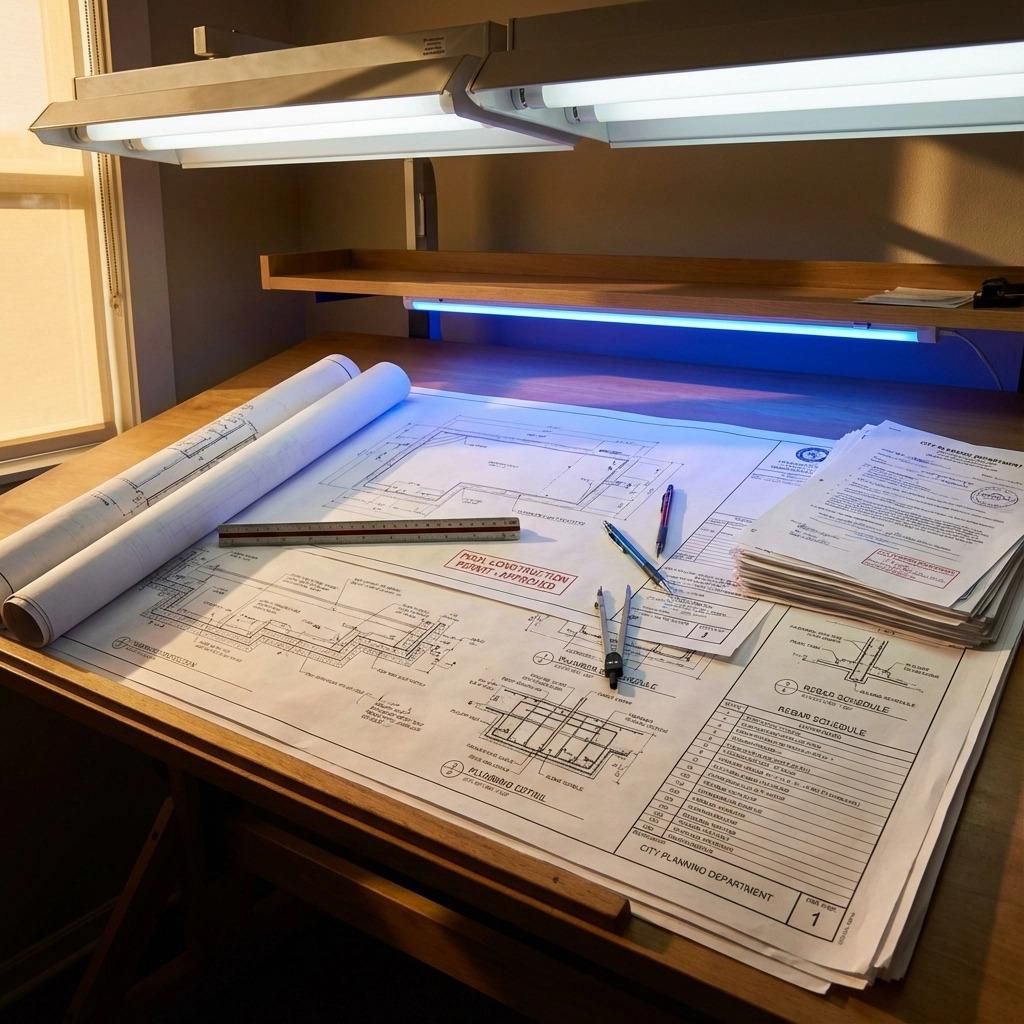
One copy of hand-drawn plans isn't going to cut it. We've seen applications rejected because home owners submitted plans drawn to the wrong scale or didn't provide enough copies.
The Requirements: Submit at least two copies of pool building plans drawn to a minimum 1/8" scale. One copy stays with the city; the second must remain on your construction site, weather-protected and available for inspectors.
How to Fix It: For in-ground pools, provide detailed construction drawings showing all structural elements. For above-ground pools, include the manufacturer's printed product literature and installation instructions.
Your plans should clearly specify what work your pool contractor will handle versus what you or other contractors will provide. This clarity prevents confusion during inspections.
Mistake #7: Overlooking Inspections and Certificate Require ments
Your pool is complete, filled with crystal-clear water, and looking perfect. You invite the neighbors over for a pool party, then discover you can't legally use your pool without a Certificate of Completion. The party's canceled, and you're facing potential fines.
The Inspection Process: Before any pool use, you must schedule and pass multiple inspections:
- Site location and erosion control
- Reinforcing steel or basket inspection
- Electrical bonding
- Air testing of pump lines
- Rough-in electrical inspection
- Mechanical inspection (for heated pools)
- Final inspection
How to Fix It: Schedule inspections proactively throughout construction. Call your city's inspection department to request each required inspection at the appropriate construction phase.
Post your approved Building Permit Card on-site, visible from the street at a minimum of five feet above ground. Keep it there throughout construction.
Pro Tip: Don't wait until construction is complete to think about inspections. Schedule them as you reach each milestone to avoid delays
Getting It Right the First Time
These seven mistakes account for the majority of permit delays and cost overruns we see in North Georgia pool projects. The good news? They're all completely avoidable with proper planning and professional guidance.
At Off The Deep End, we've streamlined the permit process for our clients. Our team handles all documentation, coordinates with local authorities, and ensures your project meets every requirement be fore construction begins.
Ready to avoid these costly mistakes and get your pool project started right? Contact our team for a consultation. We'll walk you through the entire process, handle all permit requirements, and get you swimming sooner.
Your dream pool is waiting( let's make it happen without the headaches.)